If you are searching for roofers in Brighton, or you want to find a roofer in Brighton and Hove, start with the listings we publish and a written quote for the roof you have. This guide covers how those listings work, what Which? says to ask before work starts, and the planning, listed-building and flood-risk checks published by GOV.UK, the Planning Portal and Historic England. It does not invent a Brighton price list.
Find a roofer in Brighton and Hove: how the listings work
To find a roofer in Brighton and Hove, use the two town pages. We split the city that way because that is how the businesses are recorded. Open roofers in Brighton for listings whose locality is Brighton. Open roofers in Hove for listings whose locality is Hove, including Portslade addresses we hold there.
Each public listing can show the town, address, phone, a website when we have confirmed one, and a Google rating and review count when those are on file. Those ratings are a snapshot we hold, not a score we assign. Free listings are open to every roofer. Featured and premium spots are labelled on the card. The pages are for finding a local business and contacting it yourself. The directory does not assign scores.
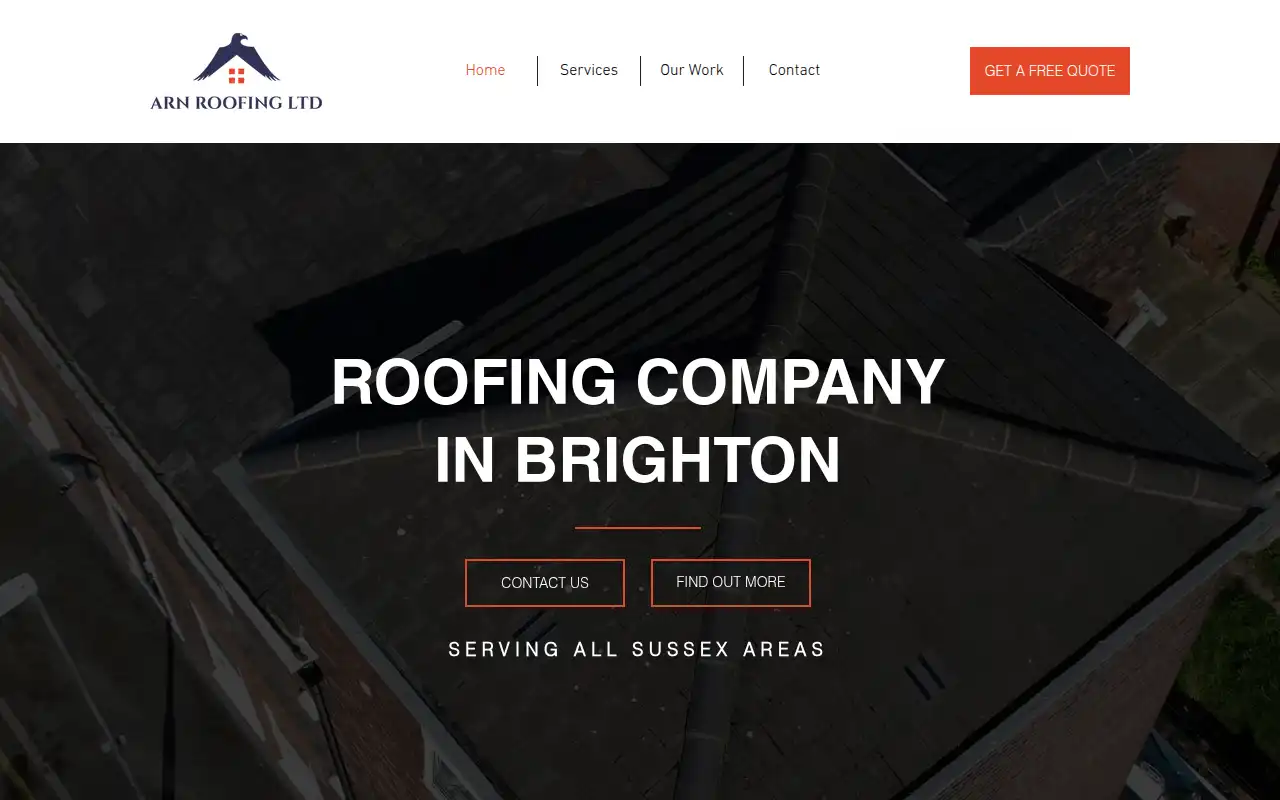
Examples on those pages include East Sussex Roofing and ARN Roofing in Brighton, and Mason and Sons Roofers Brighton and Hove and Brighton Roof Repairs in Hove. Read the card, then phone or visit the business.
Planning permission for roof work
The Planning Portal says work to the roof of a house, including re-roofing, that does not materially affect its external appearance will usually not need planning permission.
The same page says permitted development can cover certain other roof alterations if they stay within set limits: a projection of no more than 150 millimetres from the plane of the existing roof slope, and no increase beyond the height of the existing roof. Side-facing windows must be obscure-glazed, and any opening part must be 1.7 metres above the floor of the room. If those limits are not met, or permitted development rights have been removed, you need a householder or full planning application.
GOV.UK says you should contact your local planning authority through your local council. For a Brighton or Hove address that council is Brighton and Hove City Council. Doing the work without permission can lead to an enforcement notice.
Flats sit outside the householder rules on the Planning Portal roof page. If the building is a flat, or a building that contains flats, do not assume those rights apply. Ask the council.
Listed buildings and conservation areas
Listing is a separate control. Historic England says a building is listed when it is of special architectural or historic interest and is added to the National Heritage List for England. Owners need listed building consent for most work that affects that interest, inside and out. Grade II buildings make up 92 per cent of listed buildings on that page. Listing covers the whole building, including the interior, unless parts are excluded in the list description. Search the list by postcode before anyone strips a roof.
Historic England’s listed building consent page says you should check with the local authority conservation officer first, and that carrying out unauthorised works to a listed building is a criminal offence.
If you live in a conservation area, Historic England says planning permission still applies to all buildings, and that demolishing a building in a conservation area needs planning permission. A listed building in a conservation area can need both.
Building regulations
Building regulations are not the same as planning permission. GOV.UK lists replacing roof coverings on pitched and flat roofs among the alteration projects that may need approval. You might need both.
The Planning Portal says repairs or a re-cover will not normally need a building control application if less than 25 per cent of the total building envelope is affected and less than 50 per cent of the roof is affected. You will need approval if you go over those limits, make structural alterations, change fire performance of the covering, or use a new covering that increases the weight of the roof covering by 15 per cent or more.
GOV.UK notes that some replacement roof covering work can be done by an installer on a competent person scheme, who notifies the local authority and issues a certificate. Ask the roofer who will apply, and keep the certificate.
Flood risk on the coast
We do not publish a Brighton weather series, and these sources do not give a local wind or salt figure. GOV.UK does publish a long-term flood risk check for an area in England. It covers risk from rivers and the sea, surface water, reservoirs, and groundwater where data is available. It does not tell you how likely an individual property is to flood, and it does not cover blocked drains or burst pipes.
Use that check for the postcode, then ask the roofer how the quote handles access, scaffolding, disposal and any detailing the site needs. Put those items in the written scope.
Costs: published UK ranges, not a Brighton list
There is no separate Brighton and Hove price table on this site. The figures we can show are the published UK ranges on the roof repair costs page. Each row keeps its source, date and VAT basis. We do not invent a local number or blend two guides into a new one.
Which? (May 2026, excludes VAT) lists replacing 1 to 6 broken tiles at £75 to £400, a ridge tile at £80 to £300, and a new tiled roof on an average 3-bed house at £7,000 to £21,000. Checkatrade (June 2026, plus VAT) lists pitched-roof repair rates per square metre, including £150 to £220 for natural slate. Those are national bands. Ask each business to price the job you have.
What to ask on a quote
Which? says to get at least three quotes, and more for a large job, and to get everything in writing. The same article says you should never be pressured to sign on the spot, and it flags traders who give no written quotes or who need you to pay upfront and in cash.
The Which? Trusted Traders guidance says to ask about a deposit or staged payments, keep the final instalment until you are happy with the work, and see the insurance certificate, including public-liability cover that does not expire during the project. Traders working in domestic properties must do a health and safety risk assessment before work starts, called a construction phase plan, even on a small job.
Use the same written scope with each business: the covering, the area in square metres, access, scaffolding, disposal, whether VAT is included, and who will handle planning permission, listed building consent or building regulations if those apply. Then find roofers on the Brighton and Hove pages, open a listing, and contact the firm yourself.
The published ranges tell you what national guides have printed. They do not replace a visit to the roof, or a check with Brighton and Hove City Council.